What does water mitigation actually mean?
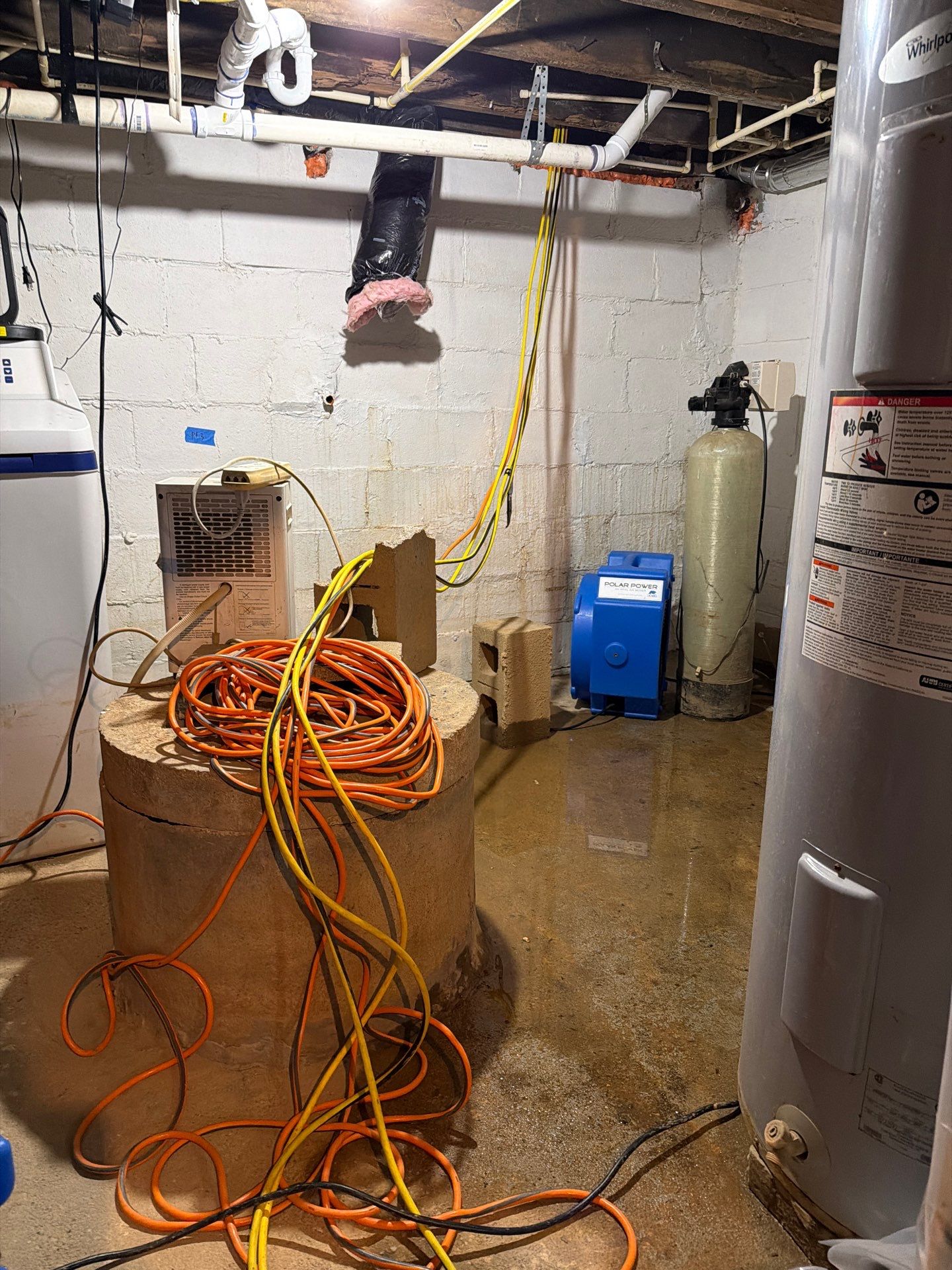
Water mitigation is the emergency phase. It is the work that stops the loss from getting worse. When our crew rolls up to your Monrovia home, the first 4 to 8 hours are pure mitigation: shutting off the source, extracting standing water with truck mounts and portable units, pulling soaked carpet pad, removing wet baseboards, and setting air movers and commercial dehumidifiers. The IICRC S500 standard, which is the playbook every legitimate restoration company follows, calls this the emergency mitigation and stabilization phase. Insurance carriers code it as mitigation on your claim, and most policies cover it under your dwelling coverage with no separate deductible negotiation. The point is simple. Stop the bleeding, dry the structure, and prevent secondary damage like swelling subfloors, delaminated hardwood, and mold colonies that take hold inside 48 hours.
So what counts as water damage restoration?
Restoration is the rebuild. Once the moisture readings hit dry standard (usually 3 to 5 days of active drying), the mitigation phase ends and the restoration phase begins. This is where we put your home back: replacing drywall we had to flood cut, reinstalling trim, refinishing or replacing flooring, repainting, and addressing any cosmetic damage left behind. Restoration is a separate line item on most estimates and sometimes a separate scope your adjuster approves after the drying logs are submitted. The work can range from a simple drywall patch and paint touch up to full room reconstruction with new cabinetry, tile, and electrical. On larger losses we coordinate with flooring installers, painters, and trim carpenters so the finished space matches what you had before the loss, not a patchwork of mismatched materials. If you want the full picture of what restoration covers and what it typically costs, our breakdown of water damage restoration services walks through every step from extraction through final reconstruction.
How does the IICRC category change the work?
The category of water is the single biggest factor. Category 1 is clean water from a supply line or a refrigerator. Category 2 is grey water with some contamination, like a washing machine discharge or a dishwasher overflow. Category 3 is black water from sewage, toilet overflows past the trap, or floodwater off the ground outside. A Cat 1 loss might only need extraction, drying, and minimal removal. A Cat 3 loss requires antimicrobial treatment, removal of all porous materials the water touched (drywall, carpet, pad, insulation), full PPE, and containment. The mitigation scope expands dramatically with category, and so does the cost. A Cat 1 mitigation on a 400 square foot area in Monrovia typically runs $1,500 to $3,500. A Cat 3 event on the same footprint can run $4,500 to $9,000 because of the demo and disposal requirements. Category can also shift over time. A Cat 1 leak that sits for 48 to 72 hours before discovery often degrades to Cat 2 because bacteria have had time to grow in the wet materials, which is why fast response matters even on clean water losses.
What should I do in the first hour while waiting for a crew?
Shut off the water at the main valve if the source is plumbing. Kill power to affected rooms at the breaker if water is near outlets or fixtures. Move what you can lift to a dry area, especially anything wood, leather, or paper based. Take photos and short videos of everything before you move it, because your adjuster will want documentation. Do not run a household shop vac on more than a small puddle; it will not pull water out of carpet pad or subfloor, and you will burn out the motor. Call us as soon as the area is safe. Our average dispatch time in Monrovia is under 60 minutes for emergency calls, day or night.
Why does the difference matter for my insurance claim?
Because adjusters pay them on different timelines and sometimes from different parts of your policy. Mitigation invoices are usually paid quickly, often within 2 to 3 weeks of submission, because carriers know delayed drying creates bigger claims. Restoration invoices go through a more detailed line-item review using Xactimate pricing for your Monrovia zip code. If your contractor blurs the two phases together on one bill, you can end up with a slower payout and more out of pocket. We separate them on every estimate, document each phase with photos and moisture logs, and submit directly to your adjuster. Another reason the split matters: some policies have sublimits on certain types of damage (sewage backup, for example, often has its own cap), and keeping mitigation and restoration scopes distinct makes it easier to apply those limits correctly. If you are wondering what your policy actually covers, our guide on what homeowners insurance includes for water damage spells out the common inclusions and exclusions you will run into.
Can I skip mitigation and just go straight to restoration?
No, and any contractor who suggests that is setting you up for a much bigger problem. Restoration over wet materials traps moisture inside the wall cavity. Within 48 to 72 hours you have mold growth that was not there before, and now you are paying for remediation on top of the rebuild you just finished. The IICRC S500 standard exists exactly to prevent this. Mitigation first, documented drying, then restoration. That order is not optional. If your situation involves serious standing water, our water mitigation services guide explains the equipment and timeline we use on emergency calls across central Indiana.
How long does the mitigation phase usually take?
For most Monrovia homes we service, active drying takes 3 to 5 days. The exact timeline depends on how much material got wet, how saturated the substrate is, the outside humidity, and whether your HVAC is functional. We take moisture readings twice a day and adjust equipment placement based on what the meters say, not based on a calendar. When the wood framing, subfloor, and drywall hit dry standard for your geographic area, the equipment comes out. If a contractor pulls equipment after 24 hours without documented readings, that is a red flag. Hidden moisture behind walls is the number one cause of mold callbacks 2 to 3 weeks later.
How do I know if I am hiring the right company for both phases?
Ask three questions before you sign anything. First, are your technicians IICRC certified in water damage restoration (WRT) and applied structural drying (ASD)? Second, will you provide daily moisture logs and photo documentation that I can share with my adjuster? Third, do you separate mitigation and restoration on the estimate? A qualified Monrovia Water Restoration crew will say yes to all three without hesitation. Be cautious of any company that pressures you to sign a broad assignment of benefits before they have even inspected the loss, or that quotes a flat price without measuring the affected area and identifying the water category. Reputable contractors in Monrovia build their scope from documented findings, not from a generic price sheet, and they walk you through the estimate line by line so you understand exactly what your policy is paying for.