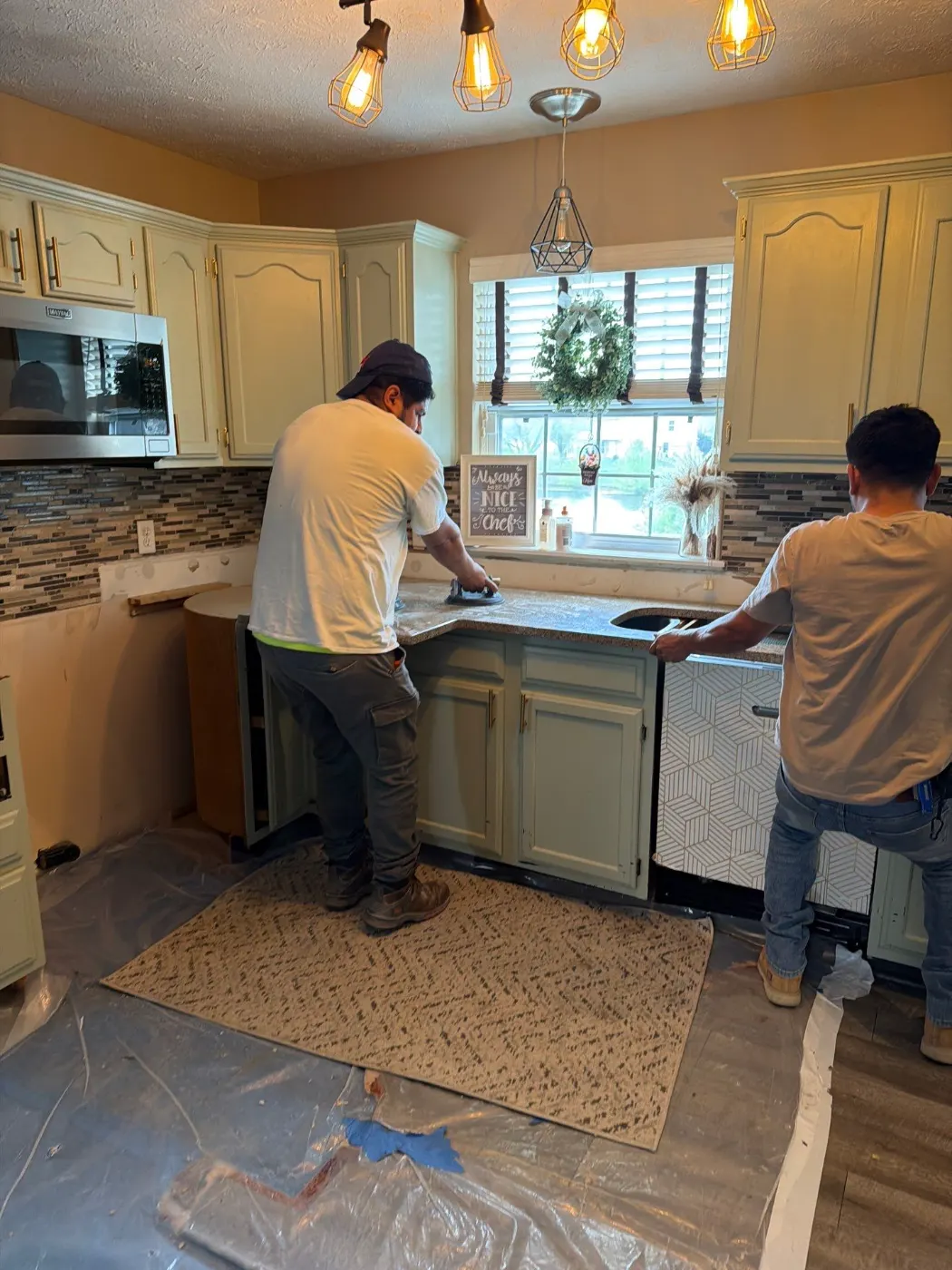
Basement Flooding in Monrovia, IN
Flooded basement in Monrovia? A crew dispatches within two hours, any hour, with pumps and real dehumidification.
Monrovia Water Restoration provides professional Basement Flooding in Monrovia: emergency availability every day of the year, certified crews, and coordination with your insurance carrier on approved claims. Call (765) 978-5086.
- Service: Basement Flooding for Monrovia homeowners
- Service area: Monrovia, IN and surrounding areas
- Response time: Rapid emergency dispatch for Monrovia inquiries; crews available 24/7
- Licensed and insured (License #RC21100059)
- Serving Monrovia, IN since 2018
Basement Flooding Cleanup in Monrovia
If your basement in Monrovia has water in it, we'll pump it out and dry the space to a measured standard.
Basements Here
Full basements are common in Monrovia.
Where the Water Comes From
Many basements here depend on a sump pump to stay dry, so a pump that quits during a storm can flood the space fast.
Our crews work all over Monrovia, from Stonegate Commons to the streets near Monrovia Middle School and Monrovia Elementary School. Nearby, we also pump out basements in Belleville, Camby, Plainfield and Martinsville.
Expert Basement Flooding for Monrovia Homeowners
The clock on a wet basement runs on microbial growth, which can begin within 24 to 48 hours once cellulose material stays wet. The paper on drywall, the facing on batt insulation, wood framing and stored cardboard all feed it, and a basement's enclosed air holds the cool damp conditions growth prefers. Monrovia Water Restoration dispatches to Monrovia within two hours, because the scope stays smallest when extraction and real dehumidification start on day one.
The target for dry comes from your own house. On the first visit the crew reads framing and drywall in parts of your Monrovia home the water never reached, and those readings become the target. Monrovia Water Restoration keeps the equipment running until the slab, the bottom plate and the walls match that target, and the final readings go in your file.
When the soil around a foundation is saturated, the crew lowers the water in your Monrovia basement in stages over a day or more. Pumping it out all at once can load the walls and slab with pressure from outside. If new cracks or bowing show up, the crew photographs them and points you to a foundation contractor or structural engineer.
If you plan to call your insurance company, it helps to have the facts ready. Monrovia Water Restoration dispatches within two hours, starts the documentation at the first walkthrough and gives you the photos and readings, so the call happens with facts in your hand. Whether and when to file is your decision, and your agent can explain what your policy asks of you.
Monrovia Water Restoration handles your Monrovia basement from the standing water through the finished rebuild. Dispatch is within two hours, any hour of any day. The inspection costs nothing, and it ends with a moisture map and a photo report you can share with your insurance company.
Signs You Need Basement Flooding Cleanup
If you notice any of these in your Monrovia home, schedule a free inspection before the issue worsens.
The breaker feeding your Monrovia sump pump has tripped and the pit is filling
A damp line along the seam where the basement floor meets the wall, darker after a long rain
Mortar joints in the foundation wall that feel damp or crumble when you press a thumb into them
Sump pit filling quickly days after the rain stopped, with the ground outside still soaked
The sump pump in your Monrovia home hums but no water moves up the discharge pipe
Water standing in the window well, up above the bottom of the window frame
A sump pump that cycles every minute or two, which usually points at a failed check valve
Standing water across the slab, or pooled at the low spot of the floor near the drain
Water welling up around a floor crack or the base of a steel support column
Paint blistering and peeling off the lower foundation wall of your Monrovia basement in sheets
How Monrovia Water Restoration Handles Basement Flooding
We follow these steps in order on every Monrovia job.
Water Classification
The crew assigns a water category in your Monrovia home from the source and from the hours the water has sat, and the category sets the protective gear and which materials come out. Sewage is Category 3 and gets handled as a sewage cleanup.
Water Extraction
Submersible pumps take the standing water off the slab, then weighted extraction tools pull what the carpet and pad are holding. Hard floors get squeegeed toward the low point, and water trapped behind baseboard comes out through controlled openings in the wall.
Upstairs Moisture Check
The crew closes off the stairway and reads the first floor walls above the basement of your Monrovia home, along with the underside of the floor. Those readings show whether humidity moved up and keep the drying confined to the basement.
Clearance Verification
Final readings get taken on every material that was wet and compared against the same material elsewhere in the house that the water never reached. Equipment comes out after those numbers are documented, and the containment comes down after the equipment does.
Records Handoff
You receive the photo report, the moisture map, the daily logs and the equipment record for your Monrovia basement in one file. The crew goes through it with you and answers questions about any line, so you can use it with your insurance company.
Basement Flooding in Monrovia
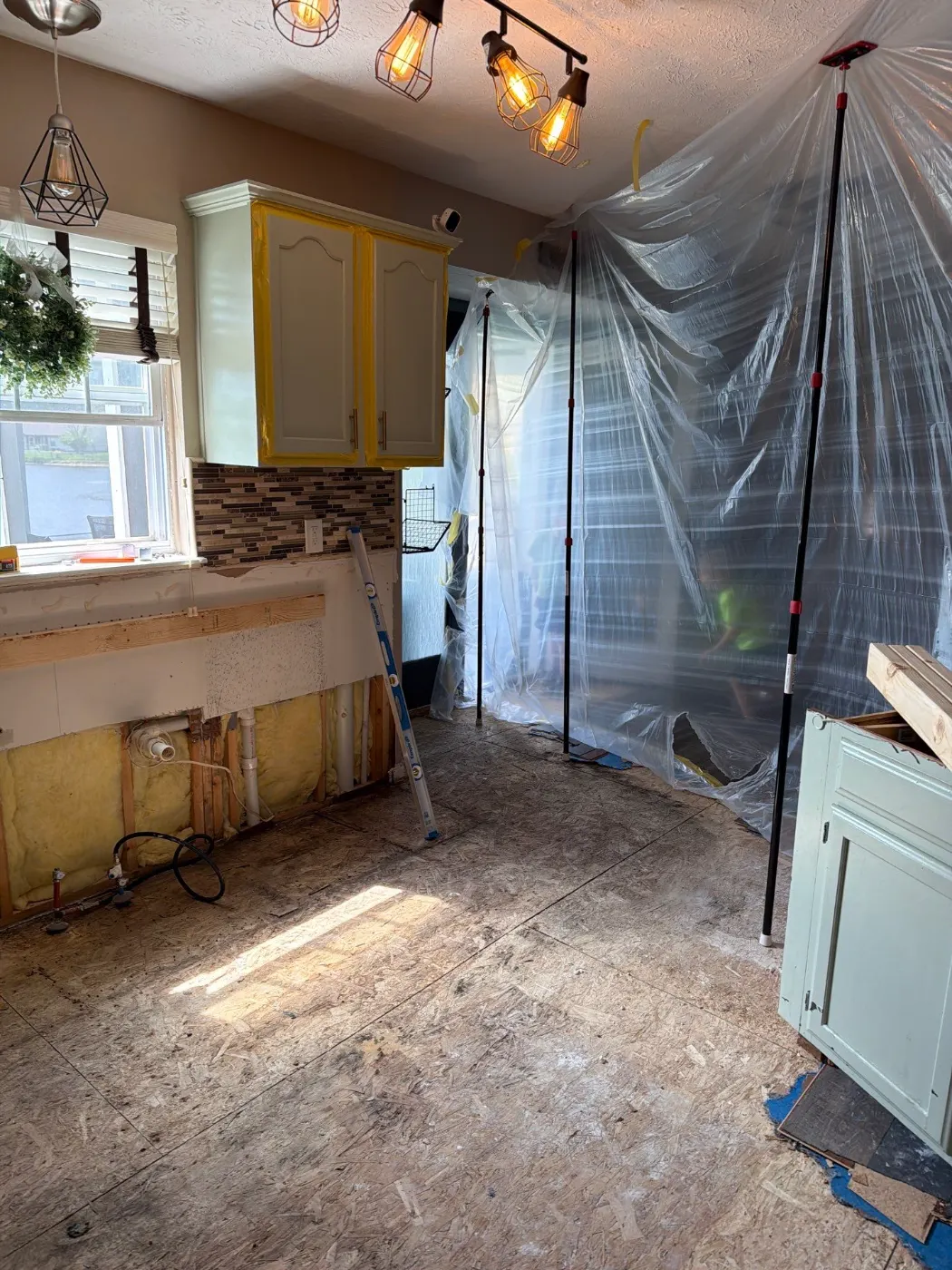
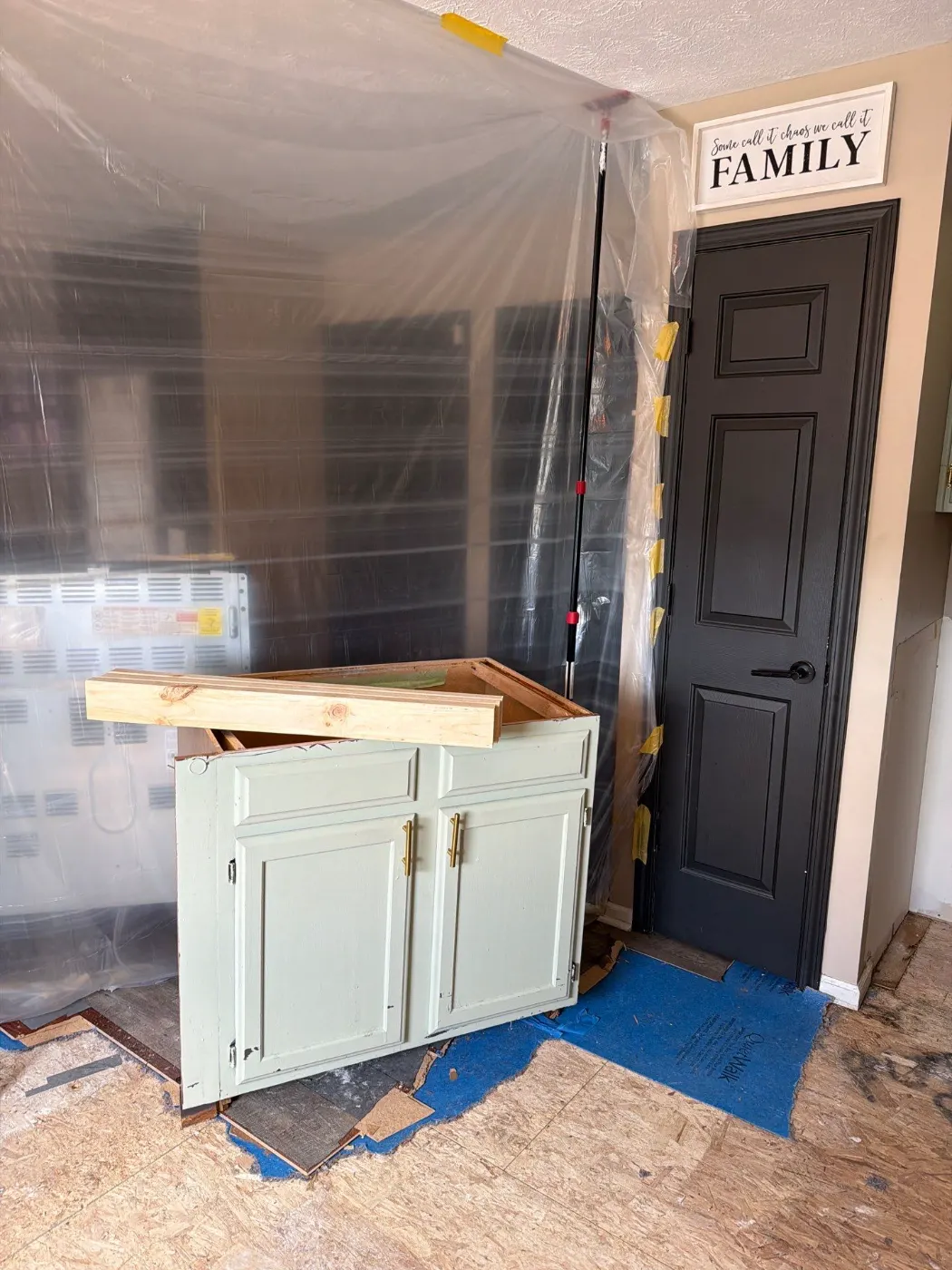
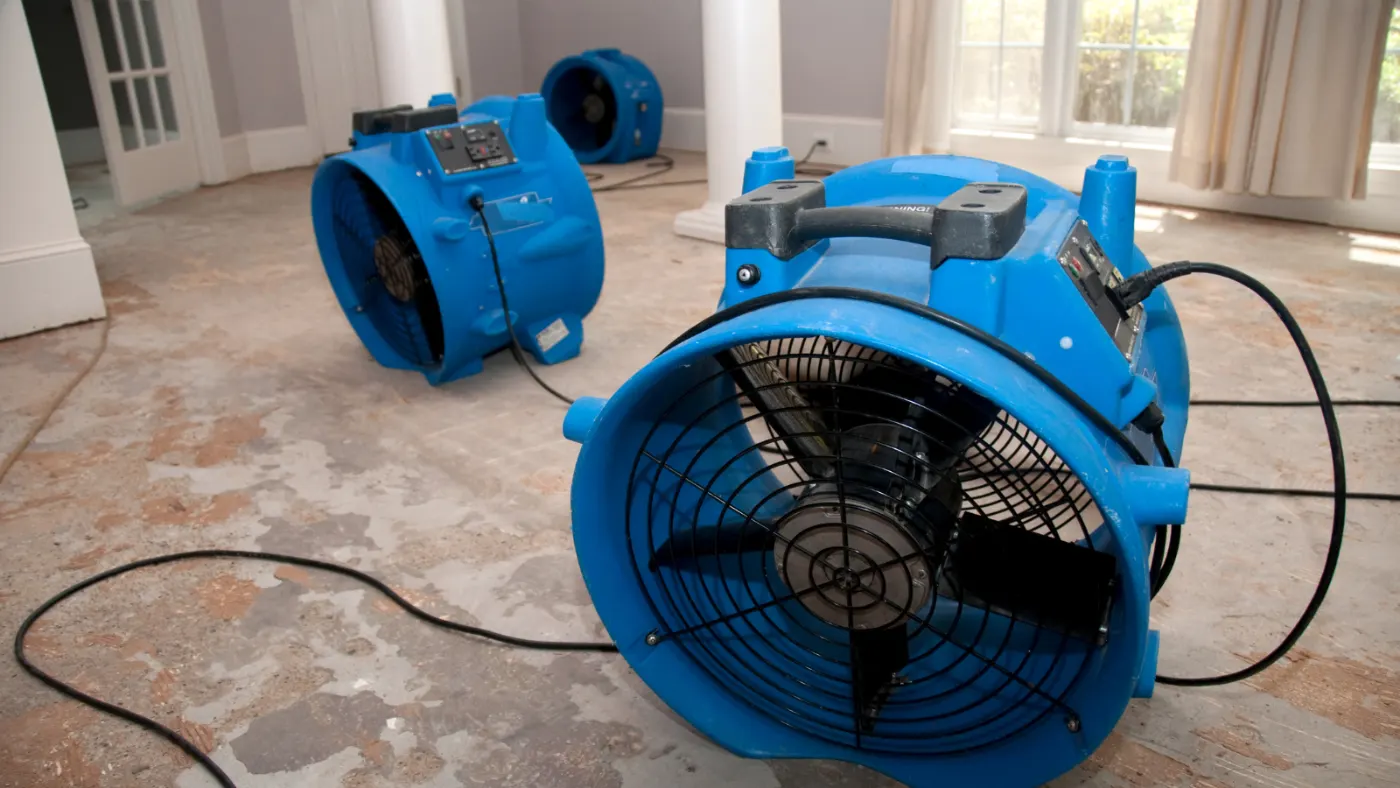
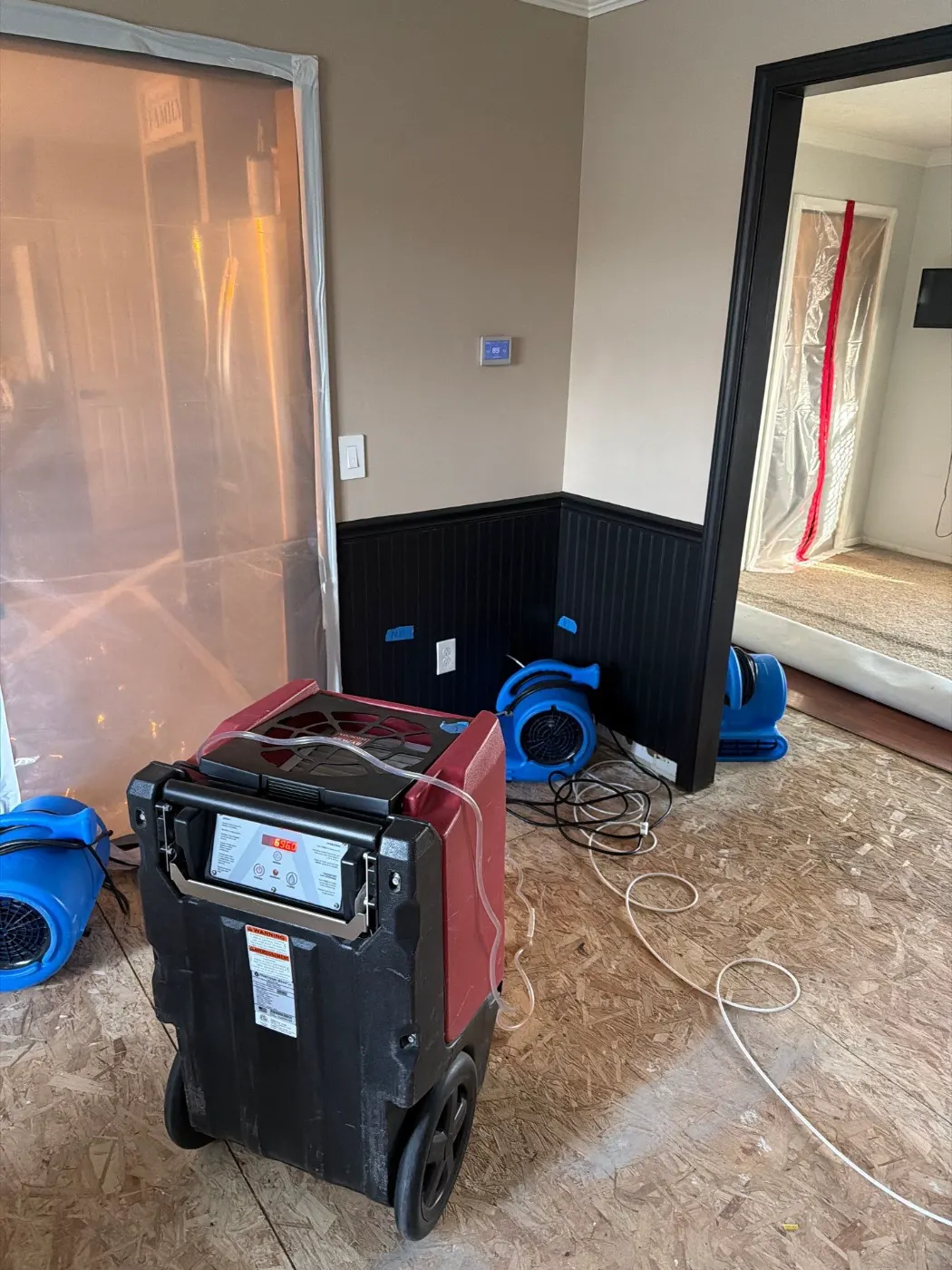
Photographs from real basement flooding jobs completed by our crew in Monrovia and surrounding areas.
Basement Flooding FAQ
Questions Monrovia homeowners ask us about basement flooding cleanup.
Guidance and Standards for Basement Flooding
- EPA advises drying water damaged areas and items within 24 to 48 hours to prevent mold growth. EPA: A Brief Guide to Mold, Moisture and Your Home
- Ready.gov notes that homeowners insurance policies don’t cover flooding, so check what your own policy says. Ready.gov: Floods
Monrovia Neighborhoods We Serve
We take basement flooding calls in every part of Monrovia. Pick your neighborhood for local details.
Other Restoration Services in Monrovia
Monrovia Water Restoration handles the full scope of restoration work. Explore our other services below.
Water Damage Restoration in Monrovia
24/7 emergency response. IICRC certified water restoration from extraction to full dry out.
Learn more →Sewage Cleanup in Monrovia
Category 3 biohazard cleanup. Full containment, decontamination, structural restoration.
Learn more →Storm Damage in Monrovia
Storm related water emergencies. Tarping, extraction, drying, and full restoration.
Learn more →Request Basement Flooding Cleanup
Reach Us Directly
Our team is available 24/7 for emergencies and ready to schedule inspections during business hours.
Need Immediate Help?
For active water or mold emergencies, call us directly. We are available 24/7.