Sewage Cleanup in Monrovia, IN
Sewage backup cleanup in Monrovia, dispatched within 2 hours and documented from the first photograph through clearance verification
Need Sewage Cleanup in Monrovia? Monrovia Water Restoration answers 24/7 with certified crews, fast on-site response, and documentation built for your insurance claim. Call (765) 978-5086 now.
- Service: Sewage Cleanup for Monrovia homeowners
- Service area: Monrovia, IN and surrounding areas
- Response time: Same day emergency response for Monrovia; 24/7 availability
- Licensed and insured (License #RC21100059)
- Serving Monrovia, IN since 2018
Sewage Backup Cleanup in Monrovia
We handle sewage backup cleanup across Monrovia at any hour, and we'll bring the containment and protective gear sewage calls for.
Sewer Lines Here
Older homes here can have deteriorated sewer laterals. That's the pipe that carries waste out to the street sewer.
We work in every corner of Monrovia, including Homestead and the blocks around the Morgan County Public Library and Monrovia Branch. We also clean up sewage backups in Martinsville, Mooresville, Avon and Belleville.
Expert Sewage Cleanup for Monrovia Homeowners
Damp building materials can start growing mold within 24 to 48 hours, according to EPA guidance, and a sewage backup leaves carpet pad and drywall soaked at once. The sooner those materials leave your Monrovia home, the less has to be dried and the less likely mold work gets added to the job. Monrovia Water Restoration plans the removal around that clock.
The truck Monrovia Water Restoration sends to a sewage backup in Monrovia carries solids handling pumps, HEPA air scrubbers, negative air machines, protective gear and EPA registered antimicrobials. Moisture meters set how far past the waterline the removal has to reach. That equipment lets the crew clean the area without spreading it to the rest of your home.
Monrovia Water Restoration works a sewage loss in two passes. The first is about getting contamination out of the house, so the waste gets extracted, the porous material comes out, and the surfaces get cleaned and treated. The second is about moisture, with dehumidification and air movement running against daily readings until the structure matches unaffected material. The rebuild scope gets written between those passes.
If containment makes part of your Monrovia home unusable for a few days, that may sit under the loss of use coverage on your policy, and your carrier is the one to ask about it. Monrovia Water Restoration documents which rooms were under containment and for how long, because dates are what that part of a claim runs on. Those dates go into your photo report with the readings and the photographs.
Call Monrovia Water Restoration and get a crew moving on your Monrovia sewage loss today. The dispatch window is 2 hours, and the job runs from the first containment barrier through the final readings that close it out, with photos at every step.
Signs You Need Sewage Cleanup
If you notice any of these in your Monrovia home, schedule a free inspection before the issue worsens.
Several drains in the house running slow at the same time with no obvious clog
Sewage seeping around the access cap of a backwater valve after heavy rain
Dark gritty water standing around the floor drain with paper debris floating in it
Carpet in the finished basement wet underfoot with a sour smell coming off it
Wet carpet and a sewage smell that remain days after a plumber cleared the line
Toilet bubbling or gurgling on its own every time the tub or shower drains
Dirty water showing up inside the washing machine drum between loads
Wet muddy residue on the basement slab fanning out from the floor drain
A tide line and staining on basement drywall a few inches above the floor
An upholstered chair or mattress in the basement wet at the legs after a backup
How Monrovia Water Restoration Handles Sewage Cleanup
We follow these steps in order on every Monrovia job.
Phone Intake
The first call sorts out where the water entered and whether more is on the way. The answers set the equipment list, and you get instructions for keeping everyone out of the area until the crew starts work in Monrovia.
Emergency Dispatch
Monrovia Water Restoration dispatches a crew to Monrovia within 2 hours of the call. The truck arrives loaded with solids handling pumps, waste rated extraction units, HEPA air scrubbers, negative air machines, poly containment materials, respirators and disposable suits, so work starts on arrival.
Safety Walkthrough
Before anyone steps into standing water, the crew looks for outlets and cords touching it and shuts off the circuits that serve the wet area from a dry spot. The walkthrough also settles which doorway the crew uses, so traffic stays off clean floors.
Source Isolation
Work opens with stopping the inflow. The crew locates the backup point, confirms whether the blockage sits on the house side or the public side of the line, and coordinates with the drain contractor clearing it while containment and extraction get staged.
Daily Moisture Checks
A technician returns each day while equipment runs, taking readings at the same marked points and moving the air movers as the wet area shrinks. The numbers go in a log that shows the trend toward the dry reference.
Sewage Cleanup in Monrovia
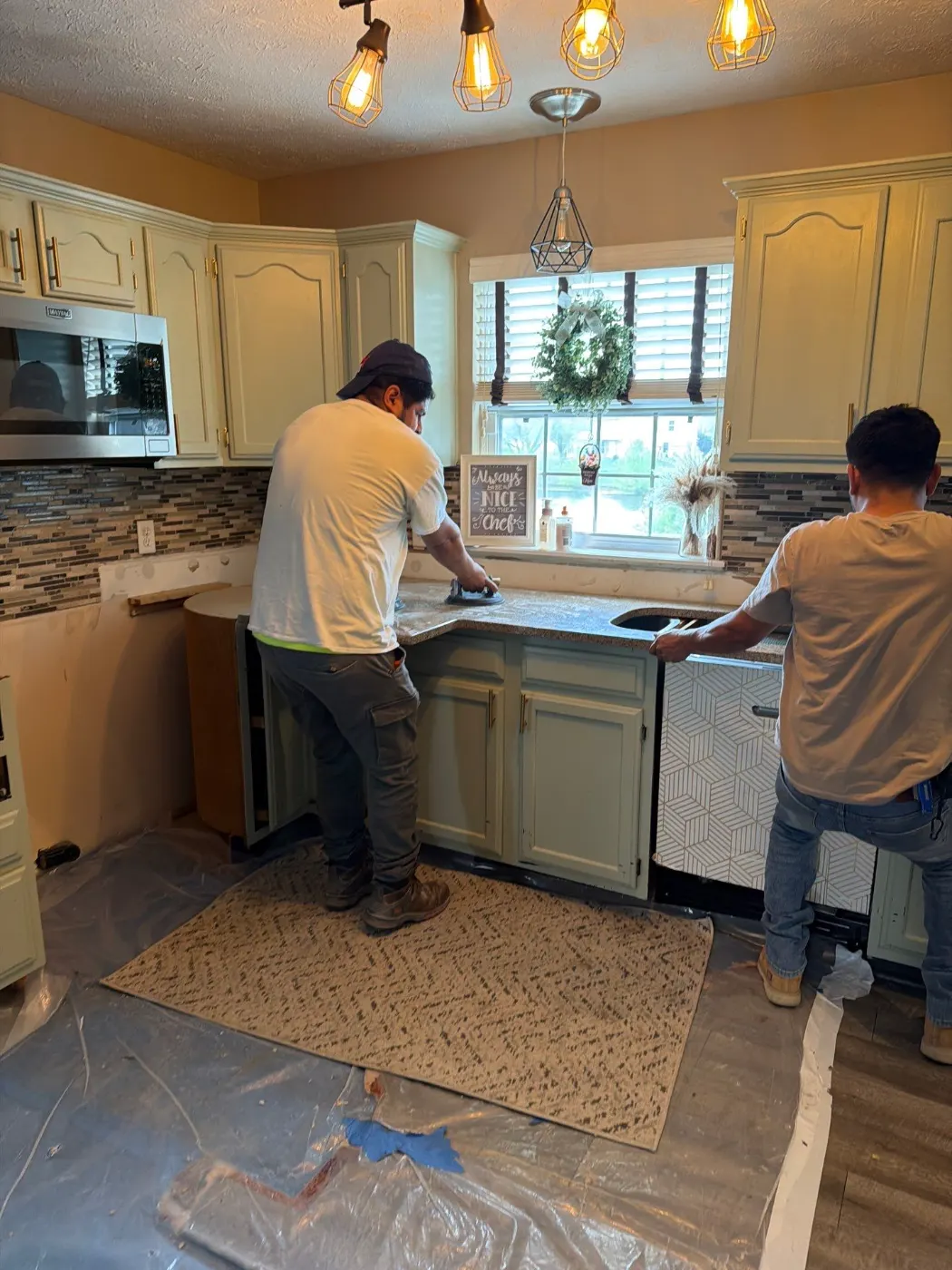
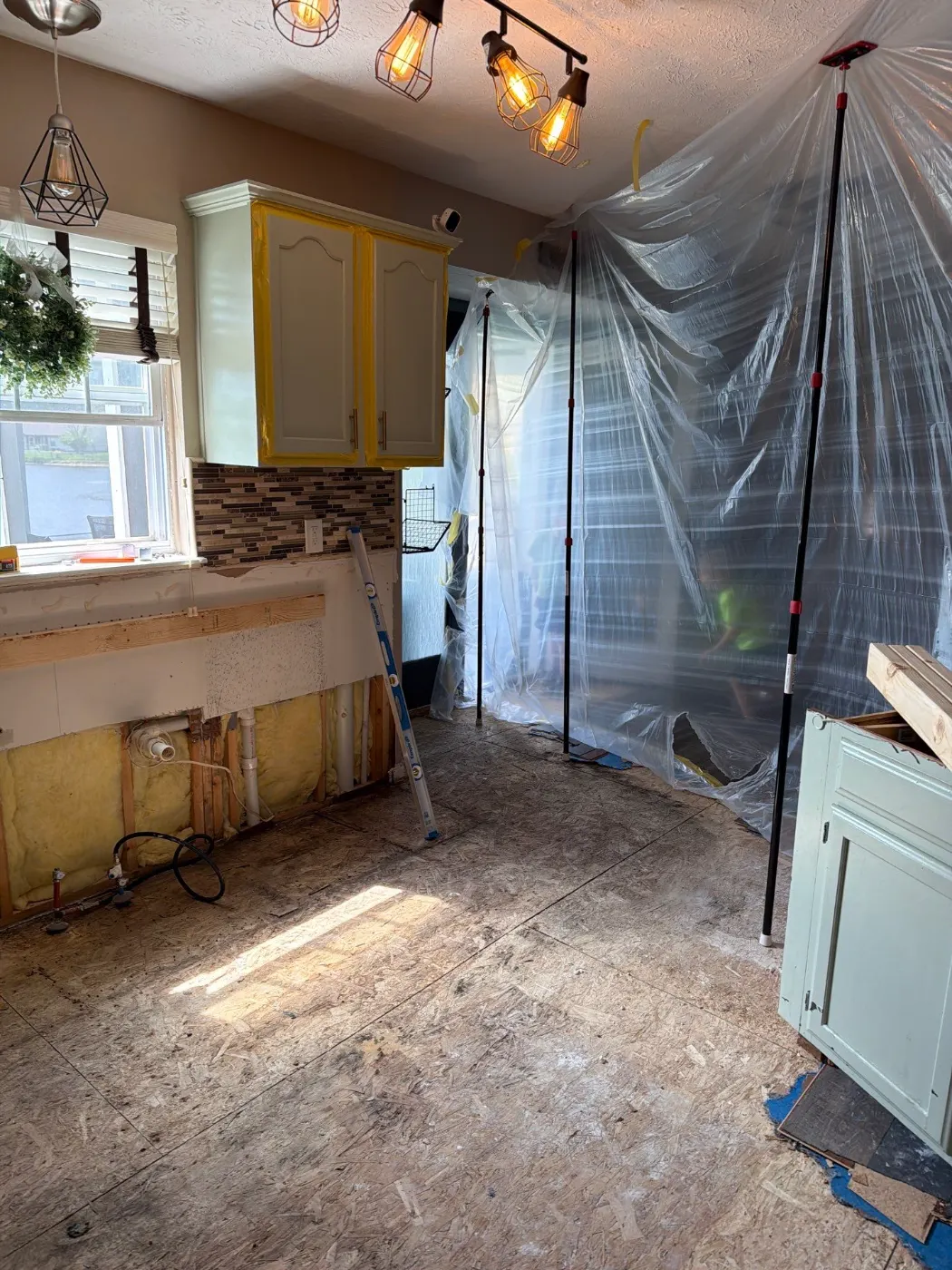
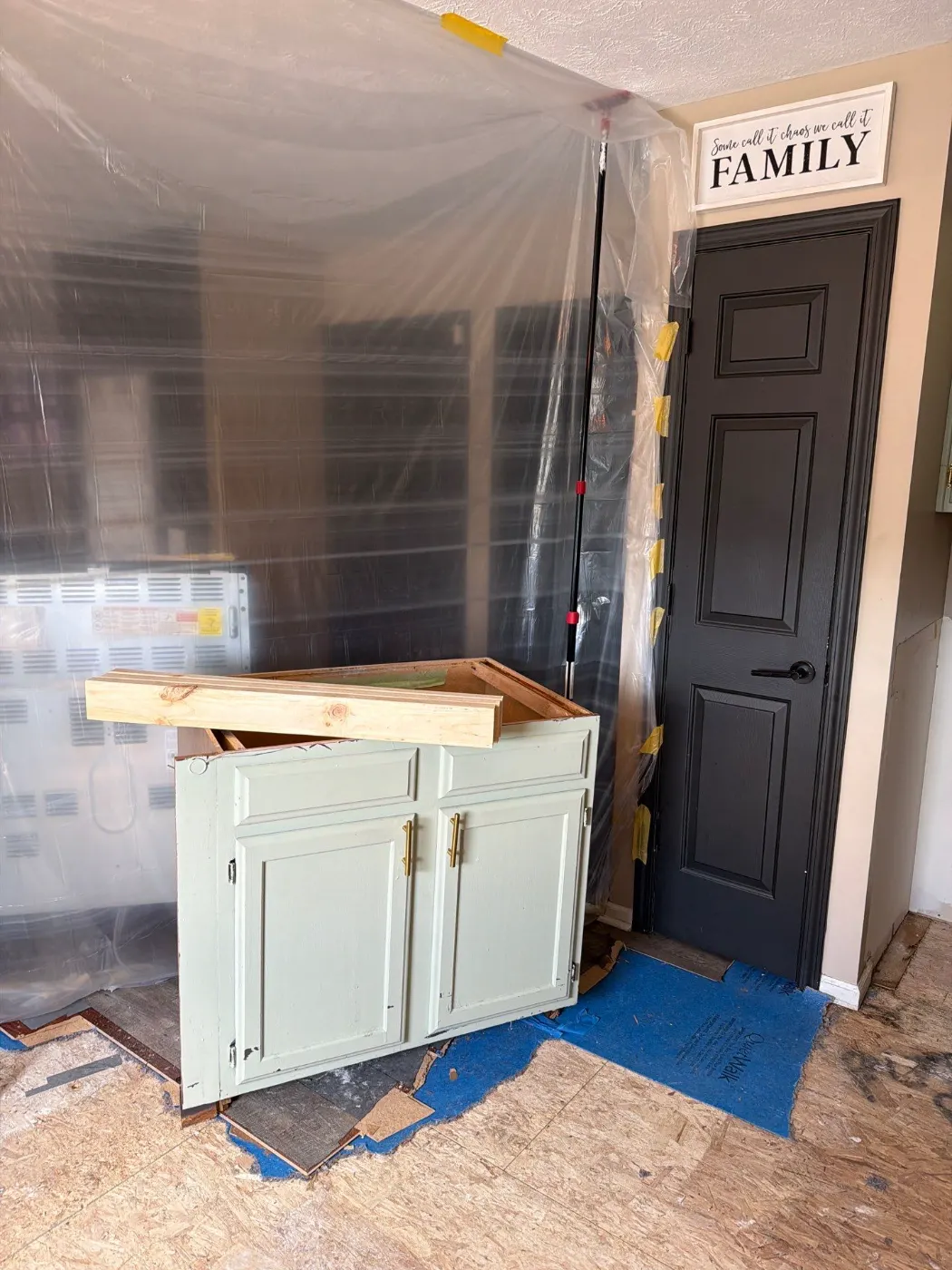
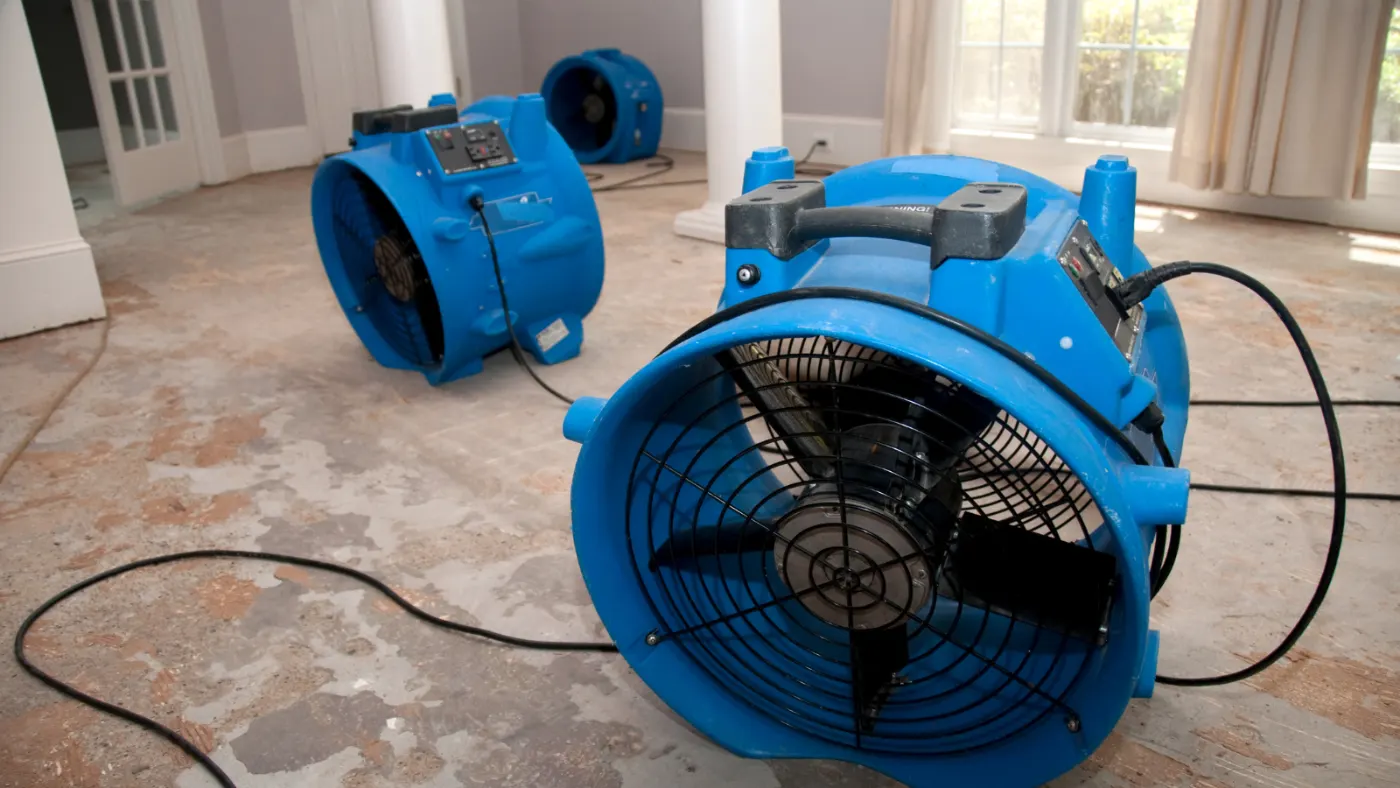
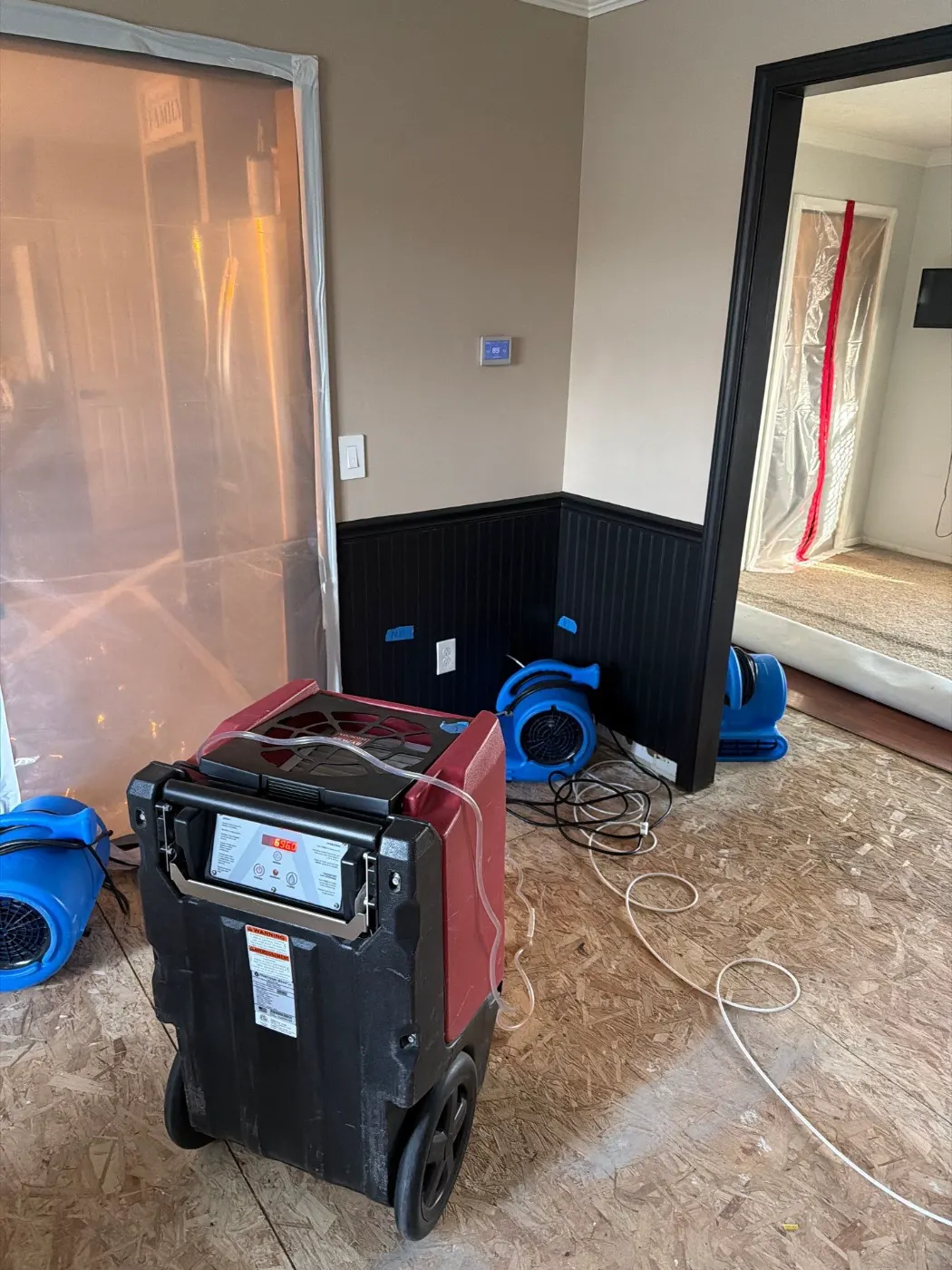
Photographs from real sewage cleanup jobs completed by our crew in Monrovia and surrounding areas.
Sewage Cleanup FAQ
Questions Monrovia homeowners ask us about sewage cleanup.
Guidance and Standards for Sewage Cleanup
- The ANSI/IICRC S500 is the published standard for professional water damage restoration. The current edition is the Fifth Edition, 2021. IICRC S500 Standard
- The Indiana Department of Insurance advises against permanent repairs before your insurance company inspects the damage. Check your own policy for what it covers. Indiana Department of Insurance: Insurance Claim Tips
Monrovia Neighborhoods We Serve
We take sewage cleanup calls in every part of Monrovia. Pick your neighborhood for local details.
Other Restoration Services in Monrovia
Monrovia Water Restoration handles the full scope of restoration work. Explore our other services below.
Water Damage Restoration in Monrovia
24/7 emergency response. IICRC certified water restoration from extraction to full dry out.
Learn more →Basement Flooding in Monrovia
Basement water emergencies handled fast. Extraction, drying, mold prevention.
Learn more →Storm Damage in Monrovia
Storm related water emergencies. Tarping, extraction, drying, and full restoration.
Learn more →Request Sewage Cleanup
Reach Us Directly
Our team is available 24/7 for emergencies and ready to schedule inspections during business hours.
Need Immediate Help?
For active water or mold emergencies, call us directly. We are available 24/7.